How to Choose a Portable 3D Monitor
A practical, evidence-aware buying guide for choosing a portable 3D monitor, covering form-factor criteria, glasses-free versus stereoscopic options, workflow fit, and limitations.
How We Chose
Editorial recommendations are organized by reader intent, workflow fit, supplied evidence, and clearly stated limitations. Product-specific details require source verification.
How to Choose a Portable 3D Monitor
Buying a portable 3D monitor is less about chasing specs and more about matching the display’s architecture to the workflow you actually carry. This guide walks through the criteria that consistently matter, the trade-offs between glasses-free and stereoscopic paths, and the limitations you should confirm before committing.
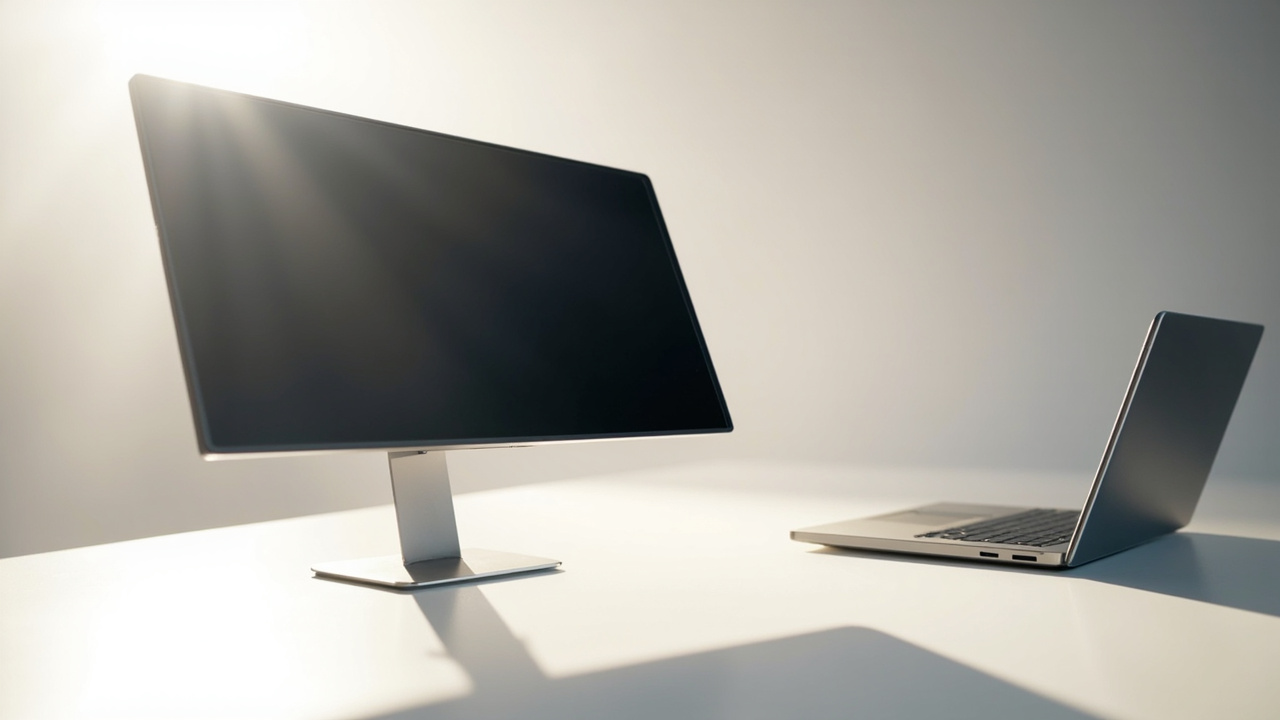
Portable 3D monitors typically target the 14 to 16 inch form factor for mixed 2D and 3D workstation use.
What “portable 3D monitor” actually means in 2026
The term “portable 3D monitor” is used loosely across the market, and that ambiguity is the first thing a buyer needs to resolve. In practice, it usually refers to one of three product categories:
- Glasses-free autostereoscopic displays (also called spatial 3D, naked-eye 3D, or lenticular/parallax-barrier 3D) that produce depth using an optical layer over the panel rather than a headset or active glasses.
- Stereoscopic 3D monitors that deliver separate left- and right-eye views via active-shutter or polarized glasses, typically supporting SBS (side-by-side) input.
- Headset-tethered or VR-anchor monitors that pair with a headset or external renderer; these are usually not the same category as a “monitor” in the classical sense, because depth is delivered through the headset rather than the panel surface.
When the source bundle is limited, treating “portable 3D monitor” as a buyer-led concept rather than a single SKU family is the safer interpretation.
Core selection criteria for portable 3D monitors
Any shortlist of portable 3D monitors should be filtered against a consistent set of buyer criteria. Each criterion maps to a real workflow risk if ignored.
Form factor and weight budget
“Portable” usually implies a 14 inch to 16 inch diagonal panel and a sub-2 kg carry weight, but confirm exact figures per model. The 15.6 inch class is the most common size for mixed 2D / 3D workstation use; smaller 14 inch panels favor compact demos and dedicated 3D review setups.
Power and connectivity
Portable monitors live or die by how they connect and power. Confirm whether the unit supports single-cable USB-C input, whether it needs separate power, and whether HDMI is required for full refresh rates. Stereoscopic 3D modes often demand more bandwidth than 2D modes, so check the rated refresh rate at the resolution you intend to use.
Glasses-free versus glasses-required
If glasses-free depth is a requirement, narrow to autostereoscopic models and confirm the viewing-zone count (single-viewer eye-tracked versus multi-viewer) and the recommended viewing distance. If stereoscopic is acceptable, confirm whether the unit ships with active-shutter glasses, how many pairs are included, and whether replacement glasses are available.
2D / 3D switching and daily-driver usability
A portable monitor that only works well in 3D is rarely a true daily driver. Buyers who plan to switch between normal productivity work and 3D review should prioritize displays that handle 2D image quality well at rest. The source bundle flags this directly: Pro-series framing (stronger fit for buyers who frequently switch between high-quality 2D and 3D review) versus Essential framing (stronger fit when the display is mainly a dedicated 3D spatial monitor).
Content compatibility and pipeline
Before choosing, map the display against the content you already produce or consume. Stereo-friendly inputs (SBS video, CAD viewers with stereo output, Unity/Unreal pipelines, DICOM exports, WebGL stereo, custom 3D apps) are the realistic baseline. Ordinary 2D videos and flat images can usually be displayed but will not show depth.
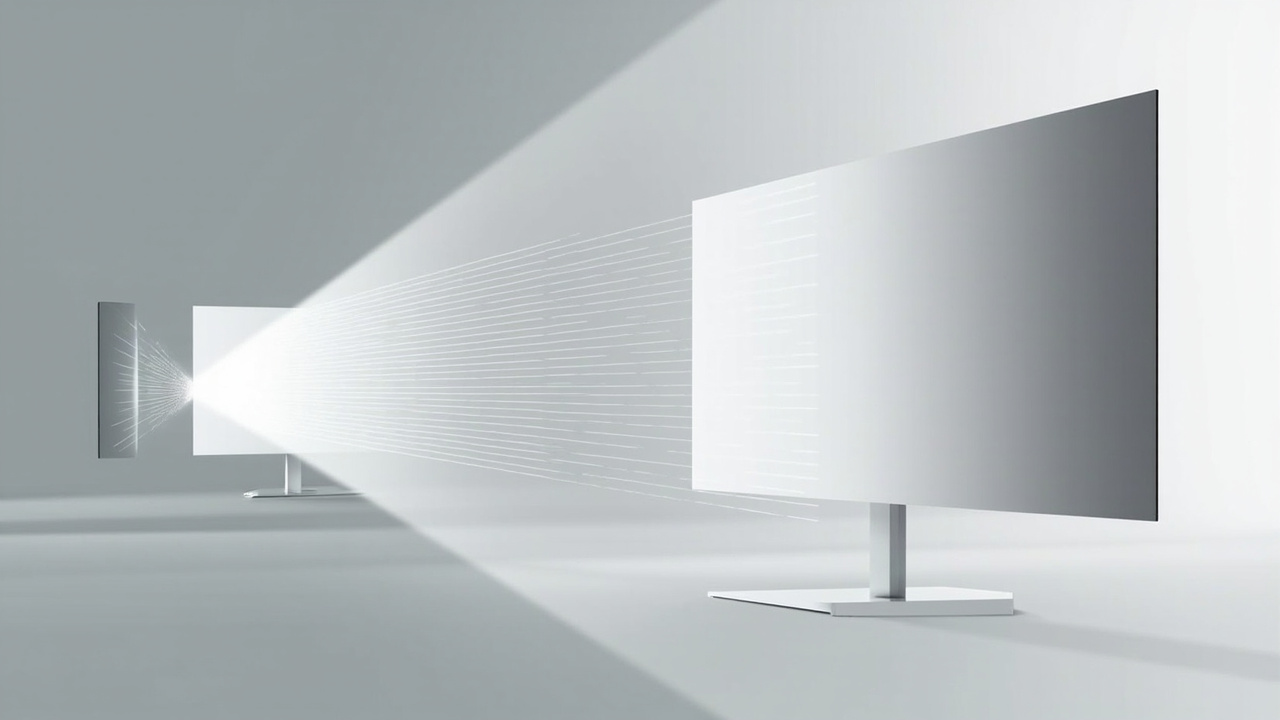
Selection criteria map: autostereoscopic, stereoscopic, and 2D-only viewing paths each carry different accessory, depth, and content-pipeline requirements.
Glasses-free versus stereoscopic: which portability path fits
The portability path changes significantly depending on whether glasses are acceptable.
When glasses-free (autostereoscopic) makes sense
- The buyer shares the screen with colleagues, trainees, or patients who should not be expected to wear hardware.
- The workspace is a clinical or review-room setting where donning glasses per session is friction.
- The workflow is dominated by shared observation rather than single-viewer immersion.
Buyer caveats for glasses-free: viewing zones and eye-tracking sensitivity limit ideal seating positions, and small form factors can make lenticular moiré more visible at close distances. Always confirm practical viewing distance before ordering.
When stereoscopic (glasses-required) makes sense
- The buyer is a single user who values maximum depth fidelity and is comfortable with active-shutter or polarized eyewear.
- The existing pipeline already outputs SBS stereo or supports shutter-glasses sync, so glasses-free is unnecessary overhead.
- Budget is tighter and the buyer is willing to accept the accessory burden.
A broader stereoscopic selection walk-through is available in the existing piece How to Choose Stereoscopic 3D Monitor, which pairs naturally with this guide.
Workflow fit: content types, viewing setup, and use cases
A portable 3D monitor is rarely a general-purpose device; it earns its place because it solves a specific bottleneck.
Common fit scenarios
- CAD and design review on the move. A 15.6 inch glasses-free panel lets a design lead run an off-site review without a VR rig. Confirm whether the display accepts stereo output from the CAD viewer you already use.
- Field demos and client presentations. Portable form factors are the default for traveling demonstration kits. Buyer-guide context for broader model lines is covered in the Spatial 3D Display Buying Guide.
- Medical and industrial visualization away from the lab. A portable unit can support bedside or on-site review of imaging data when paired with the right viewer pipeline.
Setup realities
- Lighting control matters more than people expect. Autostereoscopic displays are sensitive to ambient light and oblique viewing angles.
- Stereo source content is rarely plug-and-play. Plan for a short content-preparation step when adopting a portable 3D monitor.
- A second “normal” monitor is still useful. Plan the desk layout before buying.
Limitations and risks to confirm before buying
Portable 3D monitors have honest limits, and these should be confirmed rather than assumed.
- Resolution trade-offs. Autostereoscopic panels dedicate subpixels to multiple views, so effective per-eye resolution is lower than the panel’s 2D specification. Do not assume a “4K” panel delivers 4K per eye in 3D mode.
- Refresh rate caps. Some portable units drop refresh rate significantly when 3D modes engage; verify published figures rather than estimating.
- Content pipeline gaps. Software that only outputs a 2D view will not produce depth regardless of the display’s capability. Confirm stereo support for the specific apps you rely on.
- Accessory ecosystem. Active-shutter glasses batteries and replacement parts vary by manufacturer; confirm availability and cost before committing.
- Touch support. Current Spatial Display positioning is documented as non-touch; do not assume touch unless a future source explicitly confirms it for a given model.
These limitations are not deal-breakers, but they should shape the buying checklist.

Typical portable 3D monitor workflow: review and share 3D content without requiring every viewer to wear hardware.
Next steps and how to validate a shortlist
A shortlist is only useful if it survives hands-on validation. Three checks consistently separate a good choice from a regretted one.
- Validate against your real source content. Run a representative SBS video, a CAD export, and a DICOM or 3D model through the unit before buying. Specs on paper rarely predict real-world clarity.
- Confirm the viewing-zone behavior at your real desk. Sit where you actually plan to sit. An autostereoscopic display that looks excellent at a showroom sweet spot can be unusable at a different distance or angle.
- Decide between dedicated 3D (Essential-style) and daily-driver (Pro-style) framing early. The source bundle explicitly distinguishes these: Essential fits dedicated 3D spatial monitor use; Pro fits portable mixed 2D / 3D workstation use.
For background on the underlying technology that makes these panels work, the Spatial 3D Display technical explainer and the Autostereoscopy technical explainer are useful prerequisites.
For sub-method trade-offs (lenticular versus parallax barrier versus eye-tracked), see the Autostereoscopic Display technical explainer. For an honest read on workflow trade-offs, the 3D Without Glasses technical explainer is a useful companion.
Choosing a portable 3D monitor is ultimately a workflow decision disguised as a hardware purchase. Resolving the glasses-free versus stereoscopic question, validating the content pipeline, and confirming the daily-driver profile together produce a far more reliable shortlist than any single spec sheet.
This guide is part of the 3dmonitor.net best-lists buyer-guide collection. It is editorial coverage intended to help buyers evaluate portable 3D monitors; it does not quote prices, certifications, or availability that have not been verified in the source bundle.
Ready to explore 3D displays?
Browse our detailed comparisons and buying guides to find the right spatial display for your workflow.
View Best 3D MonitorsDisclosure: 3DMonitor.net's best lists are editorially independent. We may earn affiliate commissions on qualifying purchases. Rankings are based on hands-on testing, specifications, and expert assessment. Full disclosure.